






How to Calculate the ROI of Outdoor Materials for Your Home
When planning a new deck, porch, or backyard upgrade, it’s natural to start with one question: What will it cost?
The upfront price matters, but it does not tell the whole story. The least expensive material at the lumberyard may require more maintenance, repairs, and replacement over time. A better comparison looks at return on investment, or ROI.
The upfront price matters, but it does not tell the whole story. The least expensive material at the lumberyard may require more maintenance, repairs, and replacement over time. A better comparison looks at return on investment, or ROI.
Start with the Full Project Cost
Begin with more than the price per board. Include labor, delivery, fasteners, framing requirements, finishing products, and expected waste.
Some materials seem affordable at first but require extra preparation, staining, sealing, or specialized installation. Others may cost more upfront but reduce finishing steps and ongoing maintenance.
Comparing the full installed cost gives you a much more useful starting point.
Estimate Long-Term Maintenance
This is where many homeowners underestimate the true cost of outdoor materials.
Traditional wood decking may need regular sanding, staining, or sealing. Depending on the size of the deck and whether you hire a contractor, those expenses can add up quickly. Even if you do the work yourself, supplies cost money, and weekends spent on upkeep still have value.
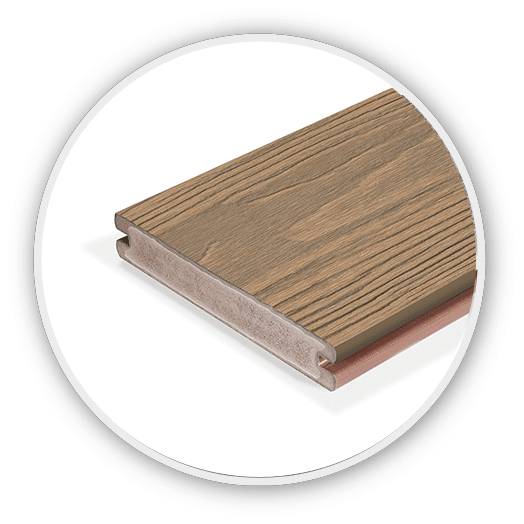
Composite decking generally requires far less maintenance. Products such as Eva-Last composite decking are designed to maintain their appearance with only routine cleaning. With warranties extending up to 50 years, those avoided costs can make a noticeable difference over time.
Consider Repairs and Replacement
Outdoor materials face very different conditions across the U.S. Intense sun, humidity, freezing temperatures, heavy rain, and snow, insects, and coastal exposure can all shorten a product’s lifespan.
Compare warranties, expected service life, and resistance to moisture, rot, fading, cracking, warping, and insect damage. All Eva-Last composite brands offer impressive warranties, some up to 50 years. A material with a higher initial price may still offer better value if it lasts longer and needs fewer repairs.
Put a Value on Your Time
ROI is not only measured in dollars.
If your deck constantly needs attention, it can begin to feel like another household chore. Choosing a lower-maintenance material gives you more time to grill, host friends, relax, and enjoy the space you invested in.
Use a Simple Formula
To compare options, calculate:
Total installed cost + estimated maintenance + repair and replacement costs ÷ expected years of service
This gives you an estimated annual cost of ownership. In many cases, a quality composite material may cost more on day one but deliver stronger value over the life of the project.
Read More About The Benefits of Composite

We all love the look of wood decking, but not its drawbacks. Quality composite decking offers you the beauty of timber decking, but in a hassle-free, durable option that’s longer lasting, gentler on the environment, and virtually maintenance-free. Cutting-edge engineering is bringing even greater structural advancements and lifestyle benefits to composite decking.


